Where the Rain Rests
Myeonghun Cho, Grace Moon
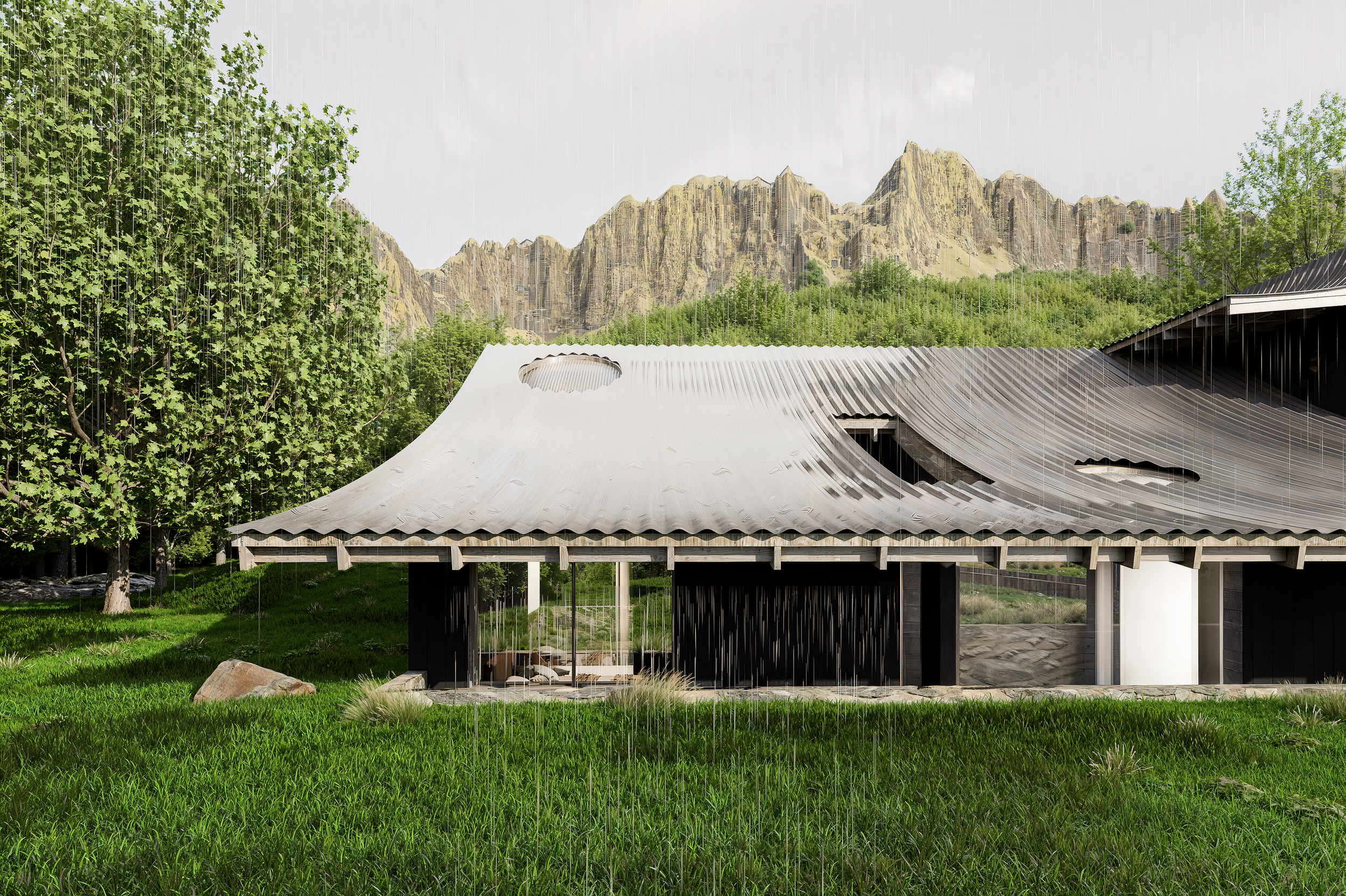
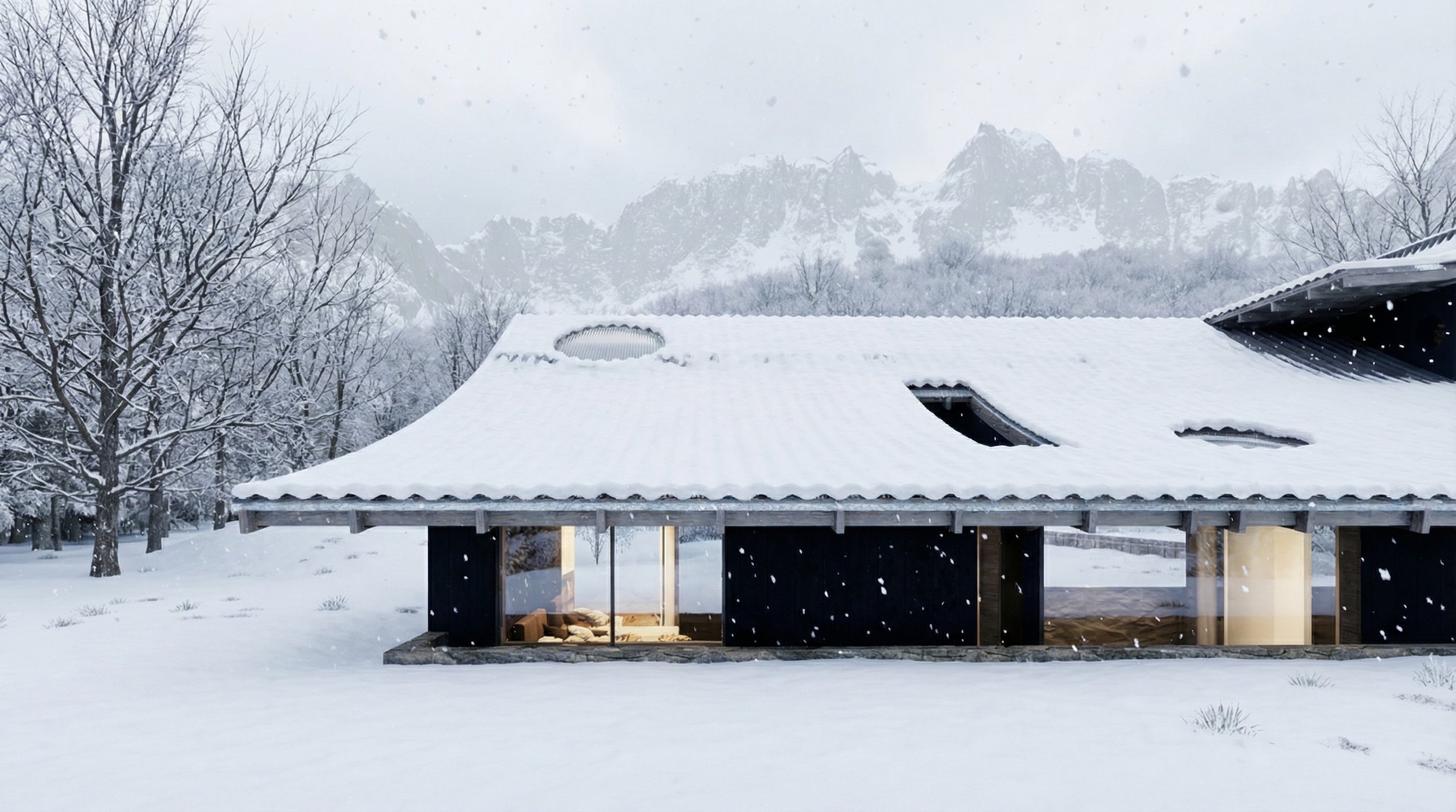
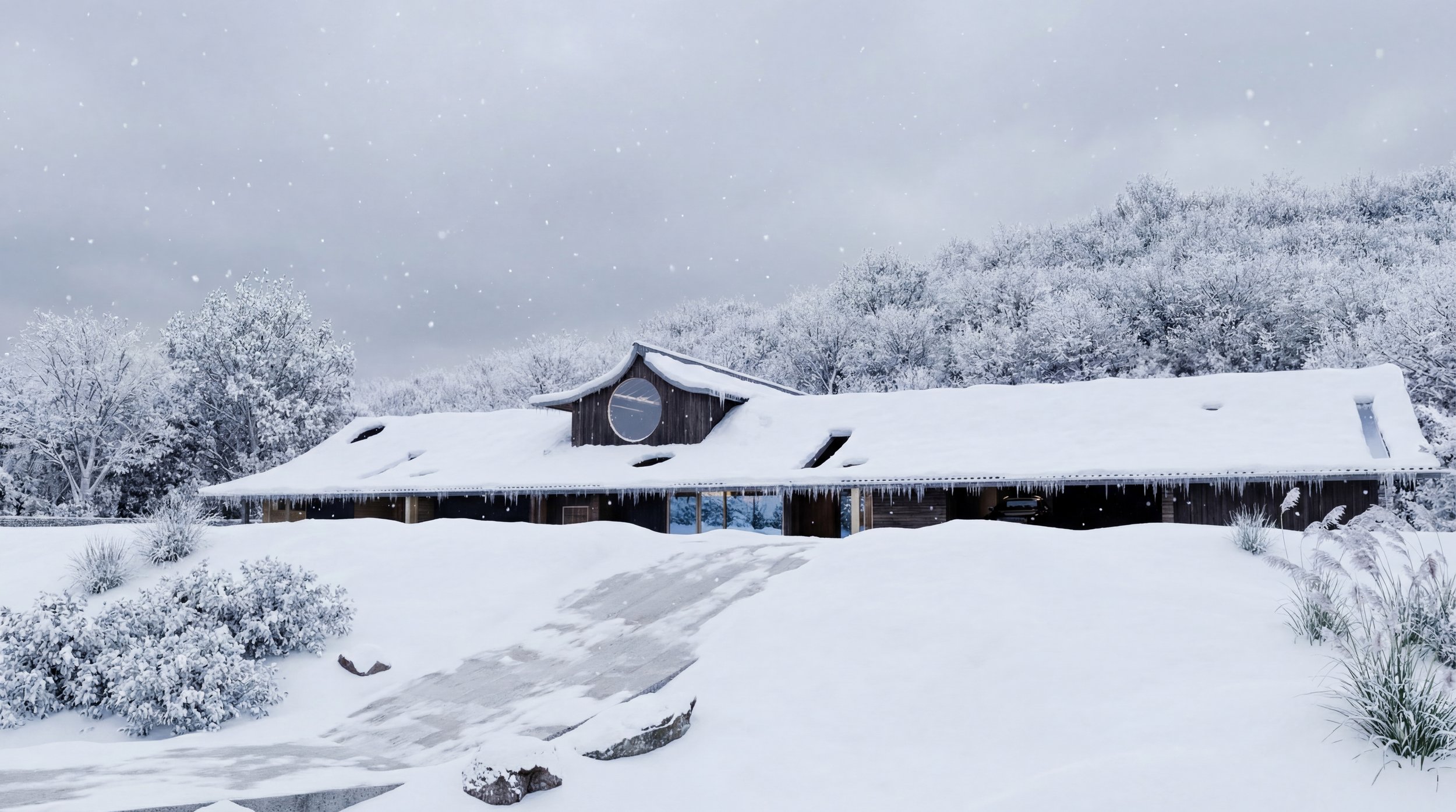
In Yakushima’s constant weather, moments of pause take a simple, physical form: accumulation. Rain gathers into puddles, snow settles into quiet layers—marking the point where motion yields to stillness. From this observation, the project shifts from being a building that is found to one that gathers: not only people, but water, light, mist, silence, and time. Architecture no longer frames only a journey through nature, but creates moments where nature itself is allowed to remain.
Submission for Not A Hotel 2026 Design Competition
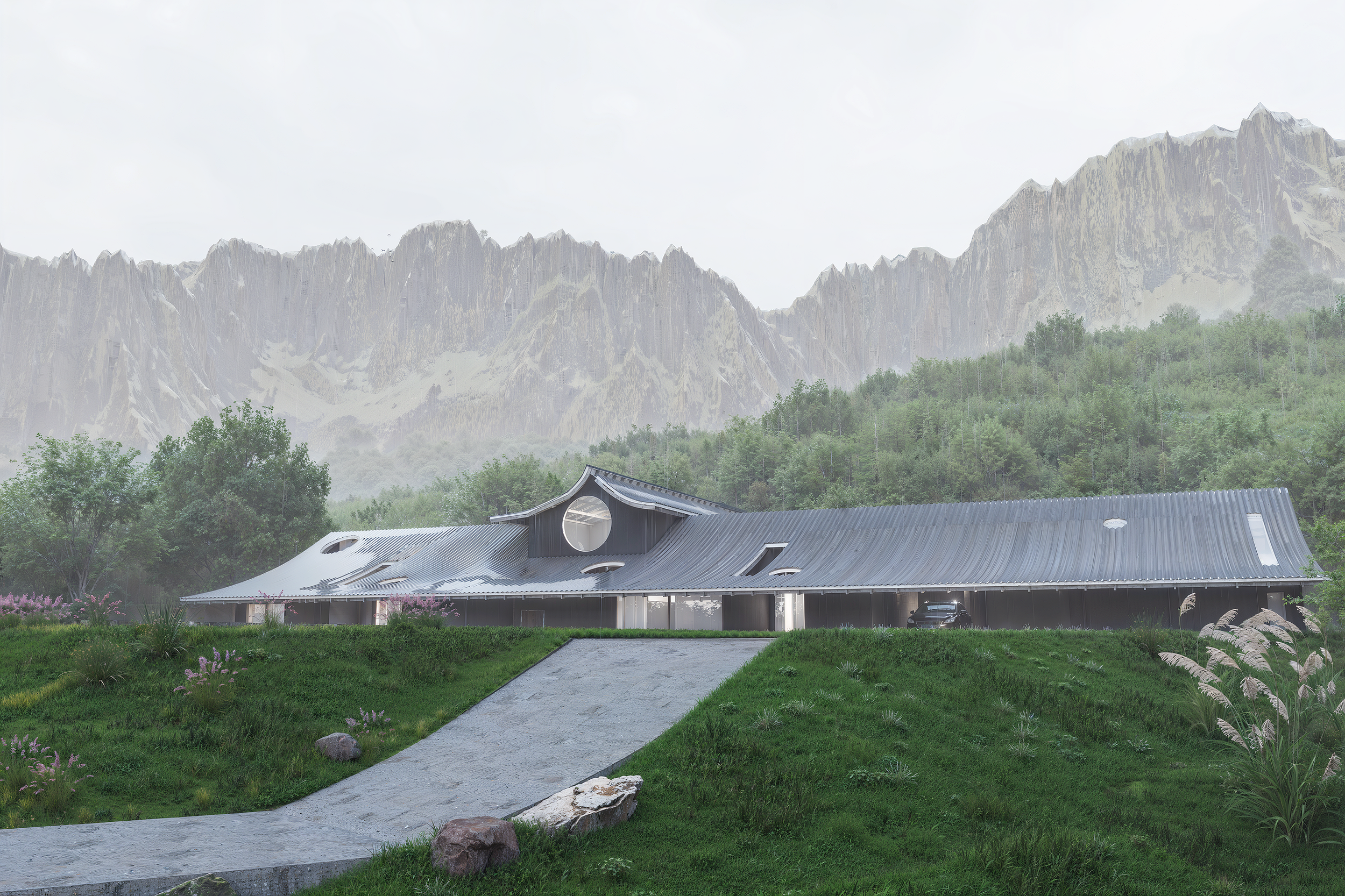
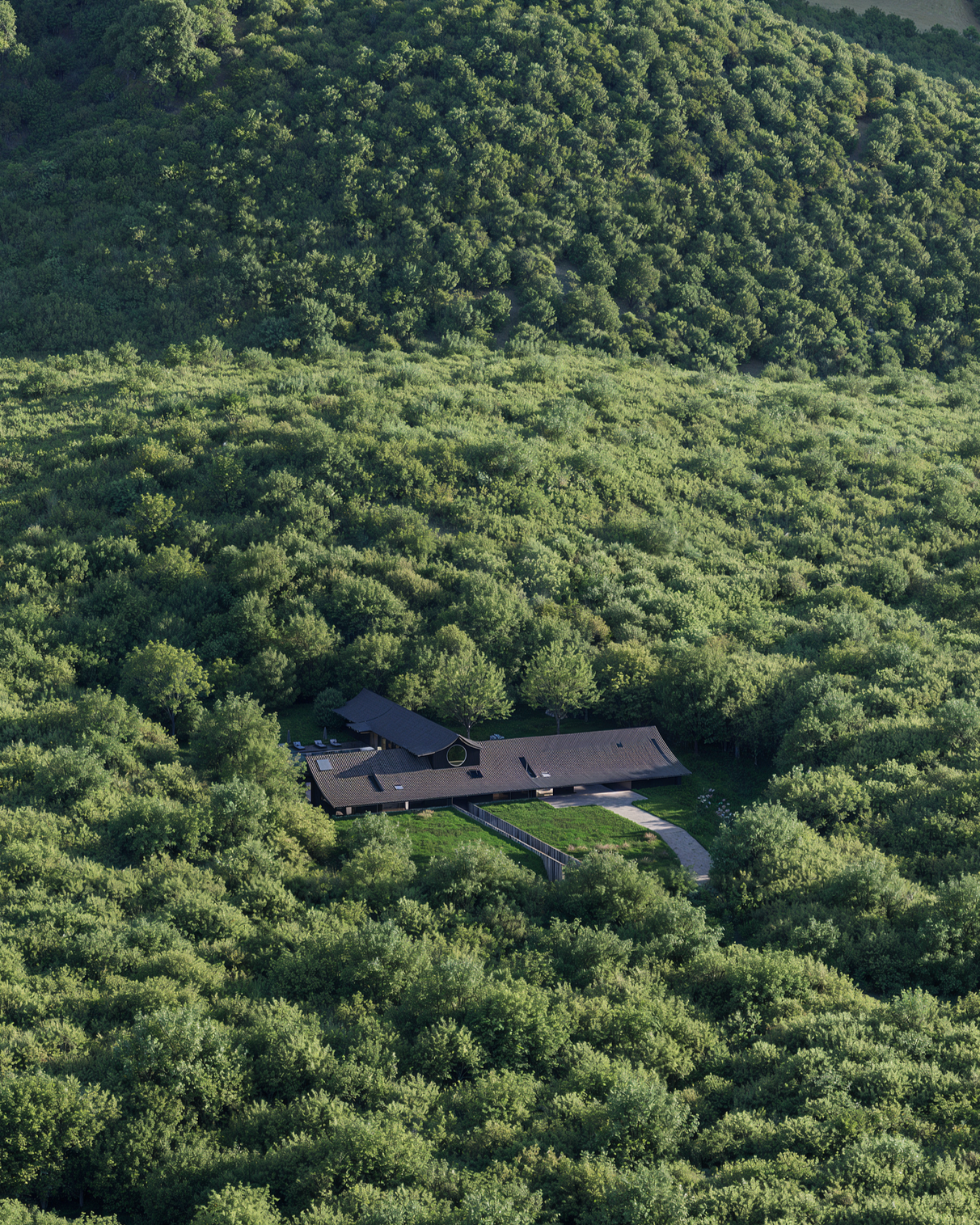
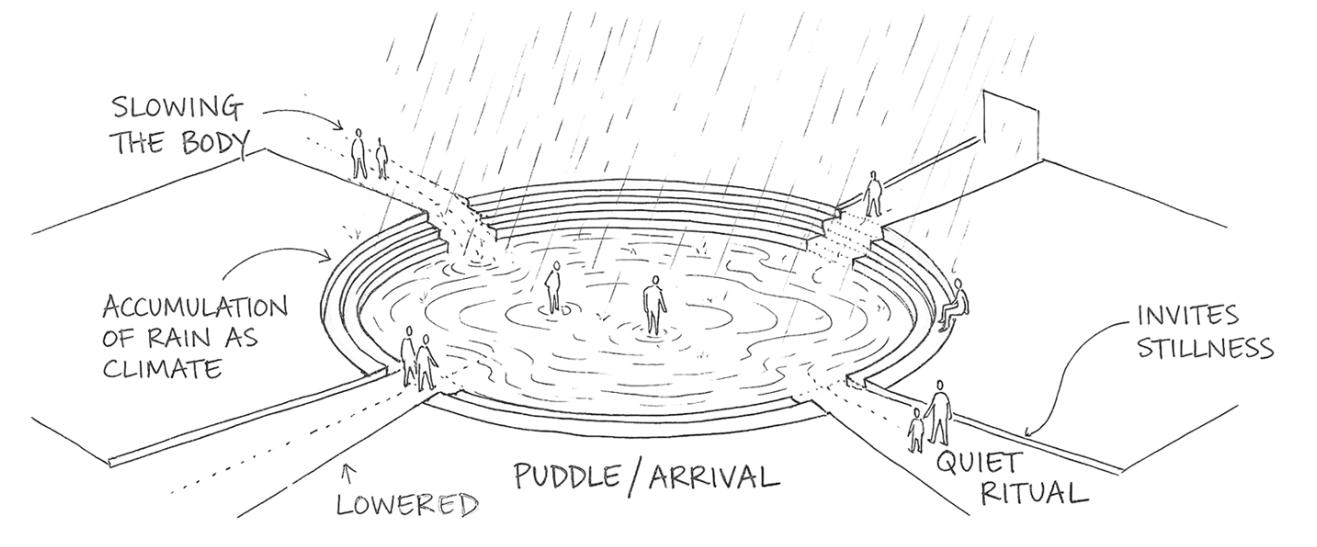
This accumulation, these “puddles”, become a spatial strategy, shaped through lowered planes, carved voids, and edges that allow water and snow to linger rather than disappear. These spaces are intentionally incomplete, reaching their full expression only through weather. In gathering climate, the building also gathers attention, forming a quiet threshold that slows the body and sharpens awareness. Here, accumulation is felt not only as environment, but as a gentle ritual of arrival.
From Discovery to Rest
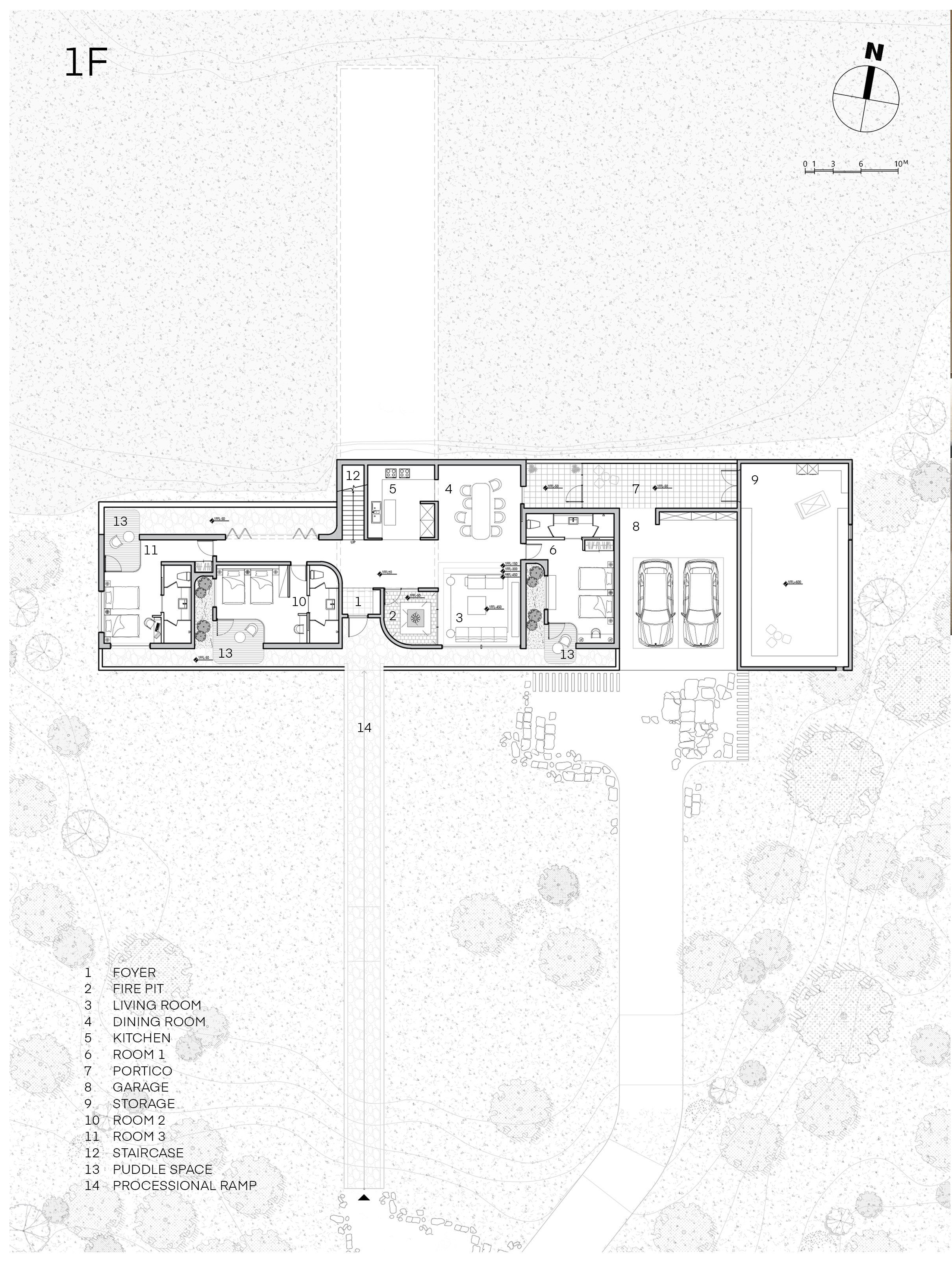
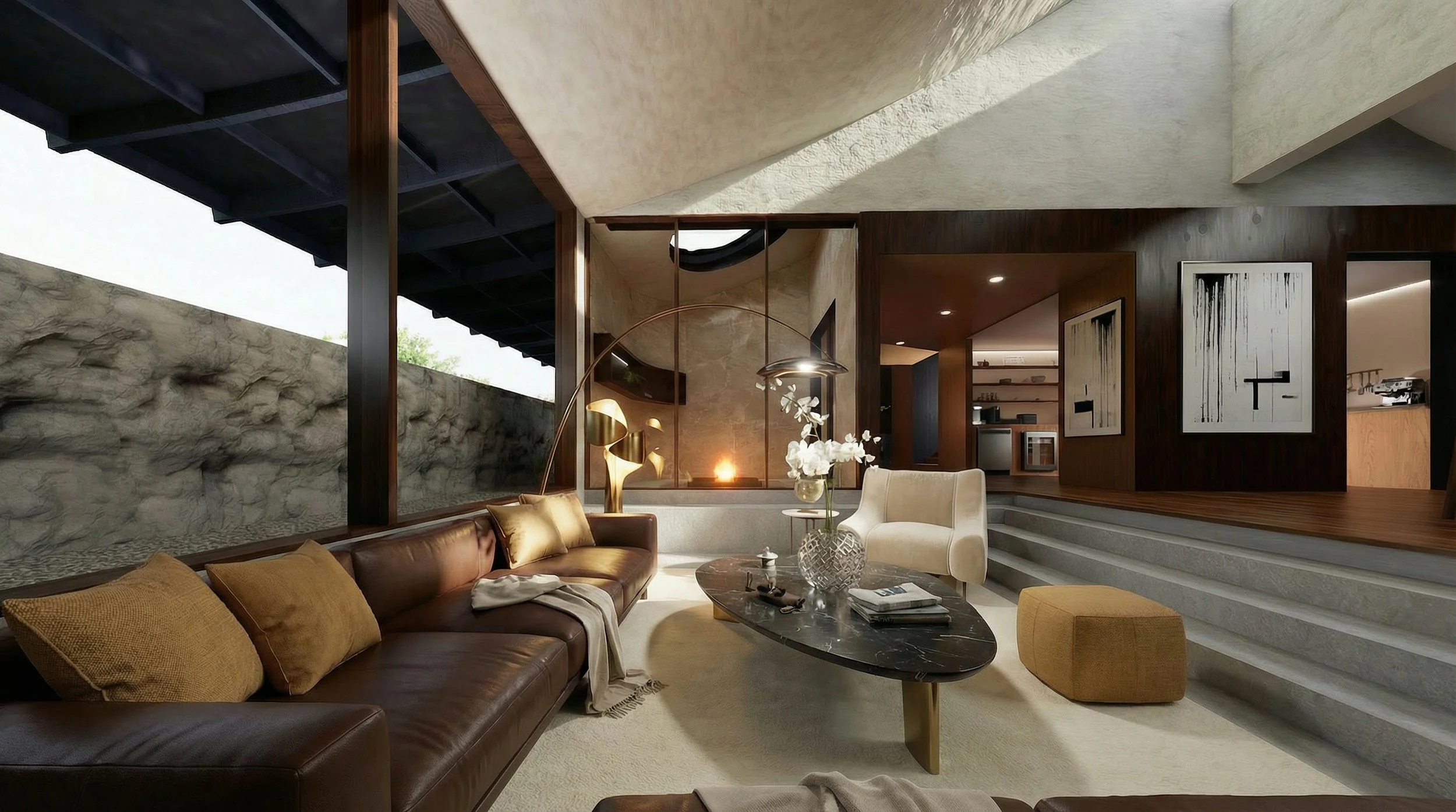
Building on this logic of accumulation and pause, the project unfolds vertically as a gradual deepening of experience. After crossing through the processional ramp into our hotel, the lower level settles into the terrain, shaped as a landscape of gathering where rooms, living spaces, and sunken courts remain close to the ground.
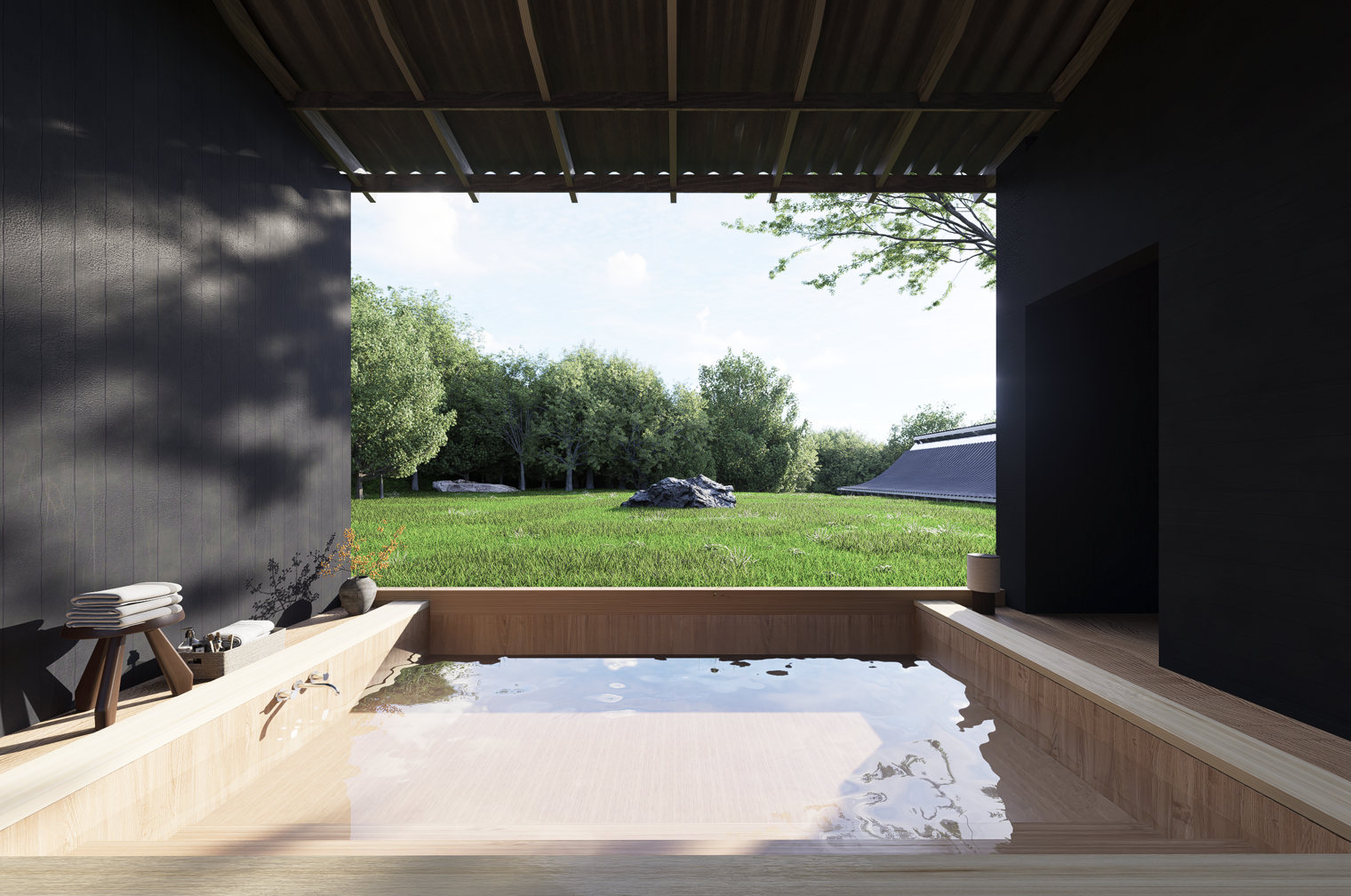
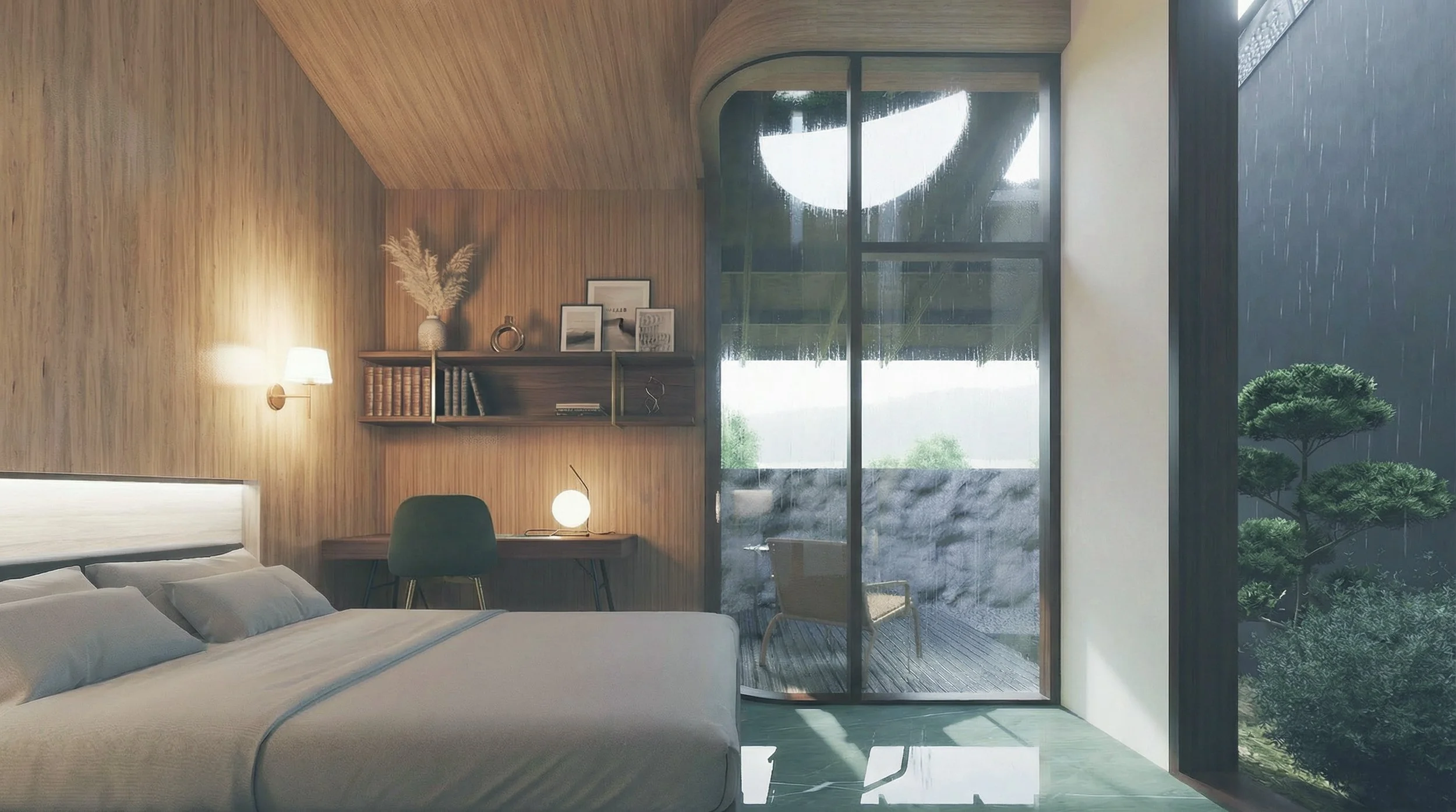
Here, rainfall is not distant but intimate— it’s heard on roofs, reflected in shallow basins, and carried through soft light and damp air. Daily life unfolds alongside weather, allowing stillness to emerge not from isolation, but from quiet coexistence with rain.
Programs are no longer treated as fixed destinations, but as points of collection. On the fiist floor, bedrooms settle into protected low points, quiet and grounded. Courtyards remain exposed, belonging fully to the rain rather than to the guest.
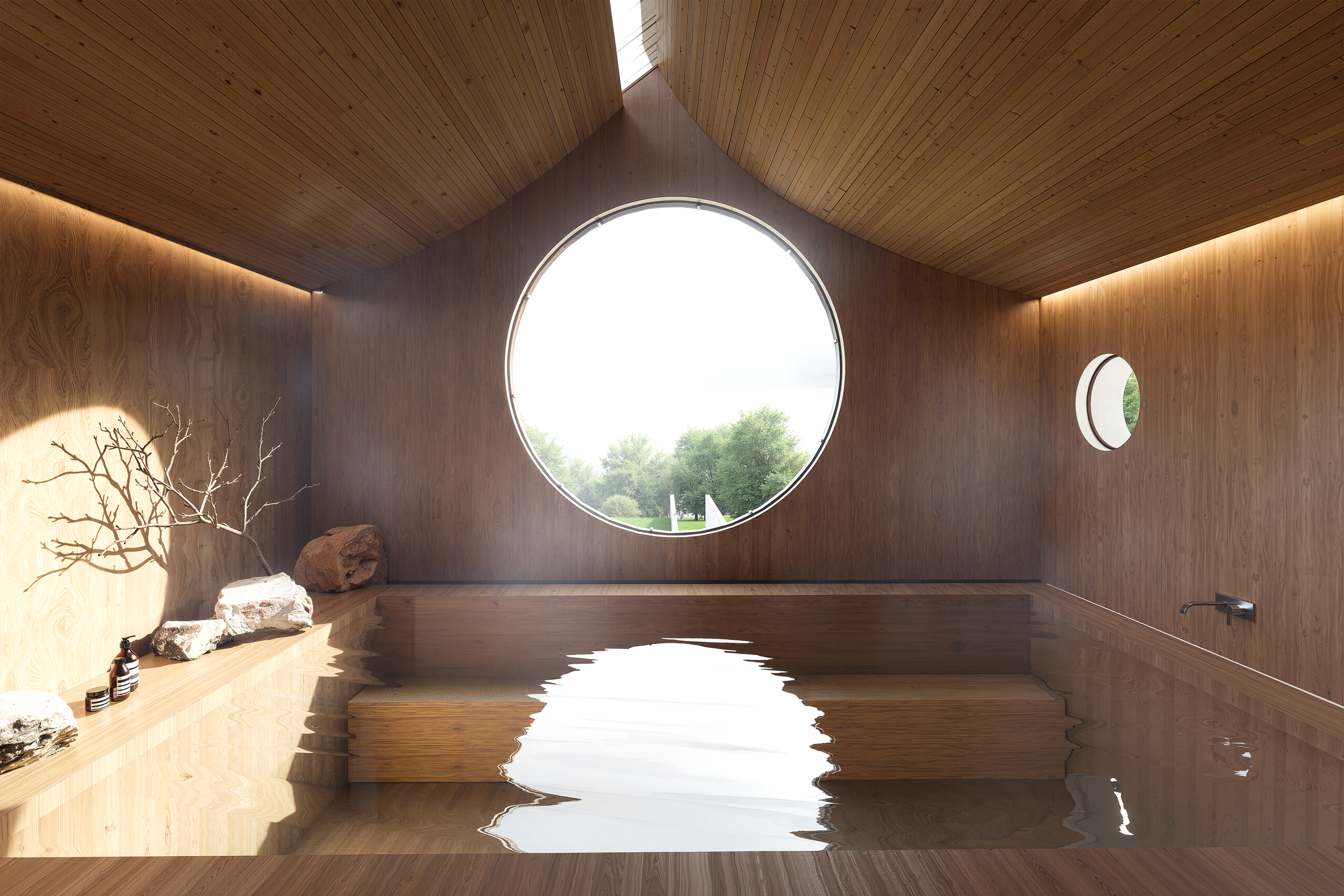
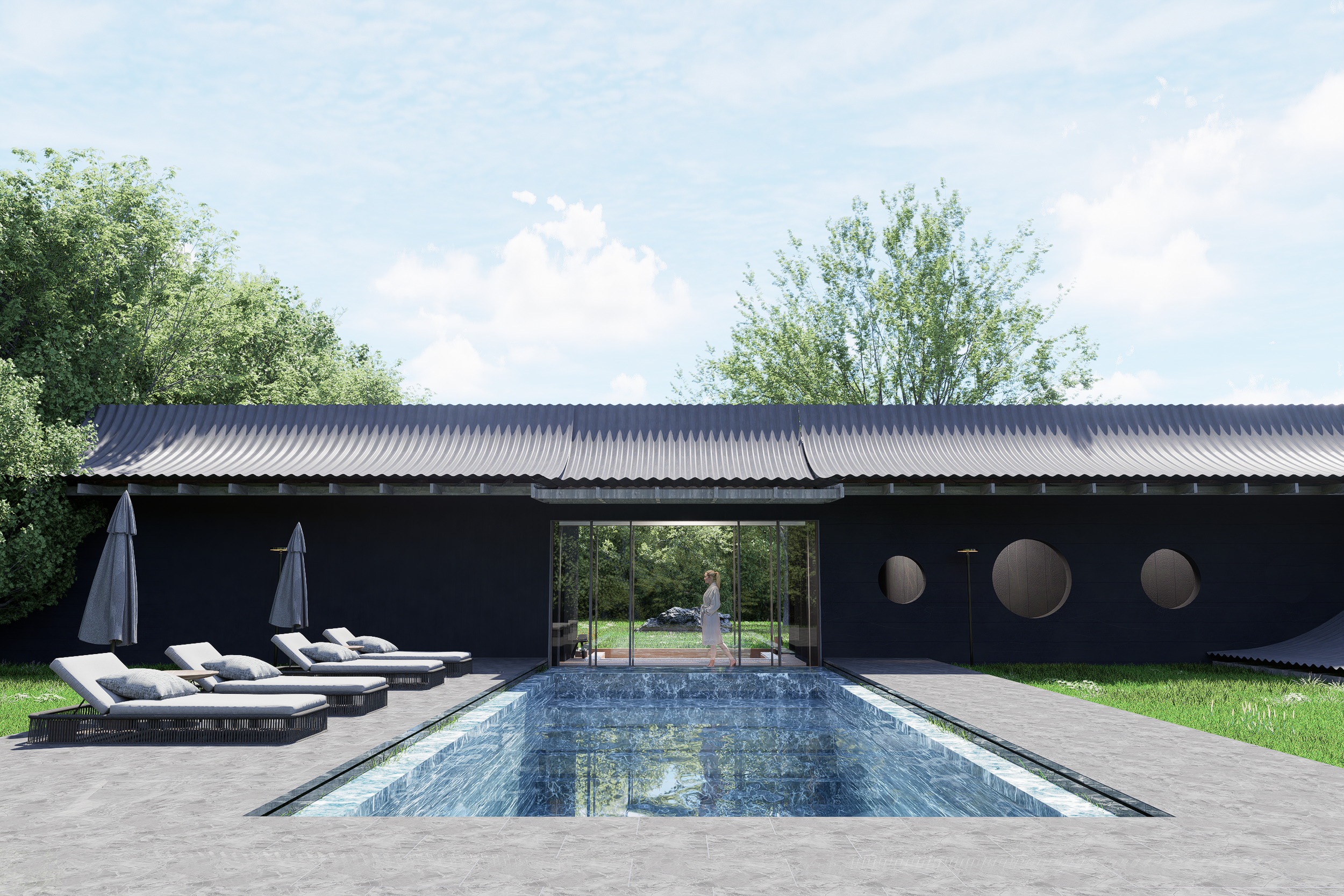
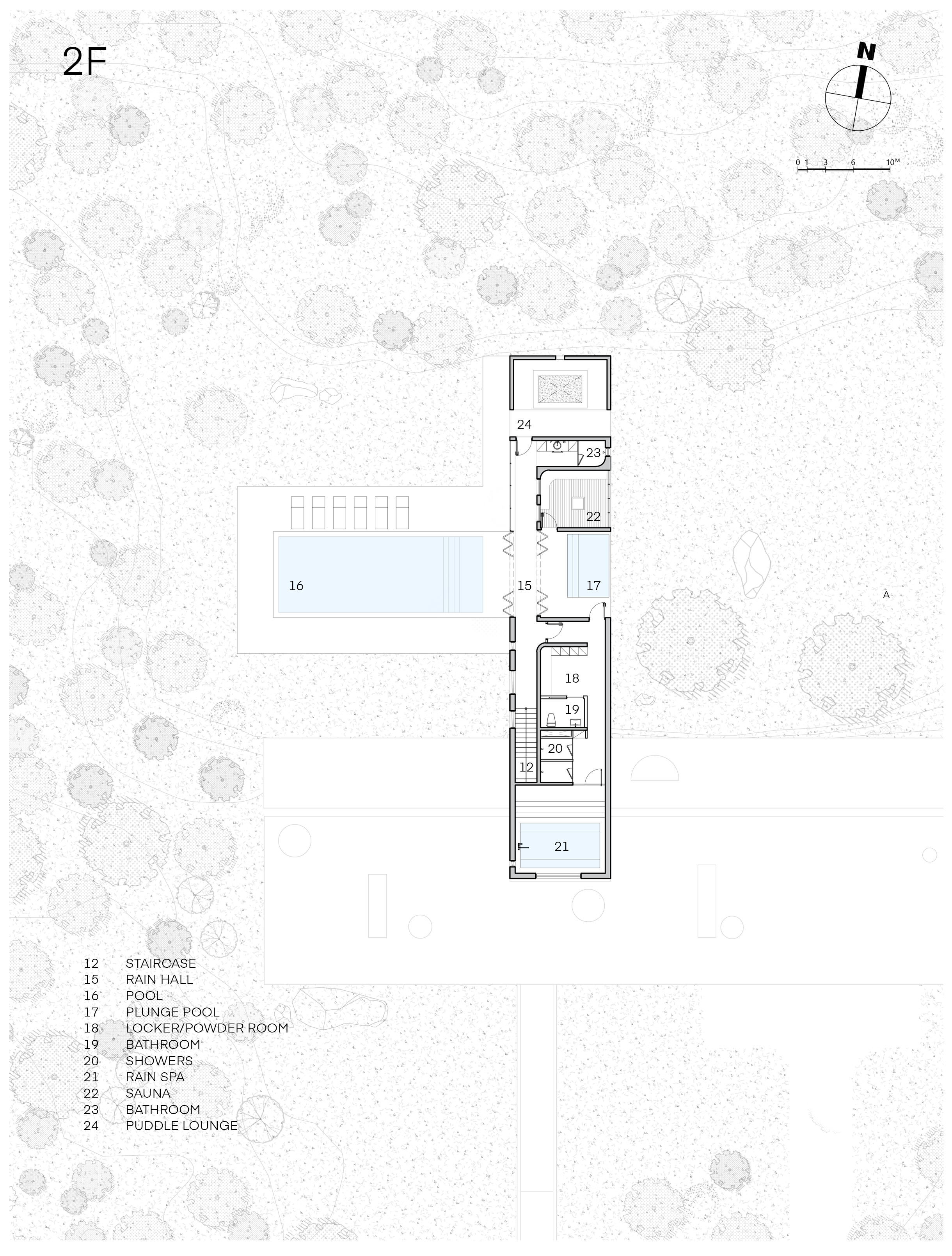
On the second floor, the pool becomes a controlled, inhabitable puddle. The sauna gathers condensation and warmth.
From Gathering to Horizon
From this grounded world, the architecture gradually leads upward toward a more open horizon. The second level is reserved for the spa, pool, and sauna, carefully positioned to receive distant views of mountains and ocean. Here, water no longer rests quietly, but extends outward toward sky and landscape, dissolving the boundary between body and terrain. Having first been drawn inward, the visitor is gently lifted into a broader awareness of place, where mist, wind, and shifting light complete the experience.
Together, the two levels form a continuous sequence of grounding and release. What begins as quiet accumulation—of rain, snow, and stillness—slowly expands into exposure to air, horizon, and distant terrain. Rather than separating refuge from landscape, the architecture connects them through movement and bodily awareness, allowing each space to negotiate a different relationship between body and water. In this way, the project is shaped not only by weather, but by the act of dwelling within it—offering an experience for the people attuned to the changing rhythms of Yakushima.